
For our family, witnessing the"Song of Everlasting Sorrow" spectacle at the Huaqing Palace was the emotional climax of our Xi'an trip. But to truly feel its power, we first had to understand the timeless poem that inspired it. Together, let's unravel the story behind the story.
Part 1: Deconstructing the Poem: A Tale of Love, Power & Regret
The poem, written by the Tang Dynasty poetBai Juyi, is not just a love story. It's a nuanced look at how personal desire can clash with imperial duty.
Bai Juyi wrote this poem about 50 years after the cataclysmic An Lushan Rebellion, which shattered the Tang Dynasty's golden age. While the country had regained peace, its former glory was gone. By narrating the tragic love story of Emperor Xuanzong and his consort Yang Guifei, the poet expresses sympathy for the destruction of beautiful love, but also implies subtle criticism of a ruler who "craving beauty that might shake an empire" and neglected his duties.
The Beauty of Love: The poem begins with intoxicating scenes of love and luxury.
She turned her head and smiled, a hundred charms were born; All the powdered beauties of the six palaces seemed dull and lifeless."
The Shock of Consequences: The idyll is shattered by rebellion, forcing the emperor to choose between his love and his throne.
The armies would not march — what could be done? They could not march until she with the moth-like eyebrows was killed before the horses."
The Agony of Regret: The emperor's endless longing after Yang's death is the "everlasting sorrow."
I asked Elizabeth: Do you think the Emperor truly loved Yang Guifei? If he loved her, why couldn't he protect her?
This helps her see that love, while powerful, exists within a larger context of responsibility and consequence. The Emperor's failure was putting personal happiness above the well-being of the nation he led.
Part 2: The Modern Spectacle: When Poetry Leaps Off the Page
The live performance uses the landscape of Huaqing Palace—the actual setting of the story—as its stage, creating an unparalleled sense of immersion.
Artistic Value of the Performance |
Sensory Overload | The show is a masterpiece of multi-sensory storytelling. It's not a play with dialogue, but a ballet of light, water, music, and dance that conveys emotion directly to the heart.
History in Your Face | By using the real palaces, pools, and mountains as a backdrop, the show erases the line between audience and history. You aren't just watching a story; you are standing where it happened.
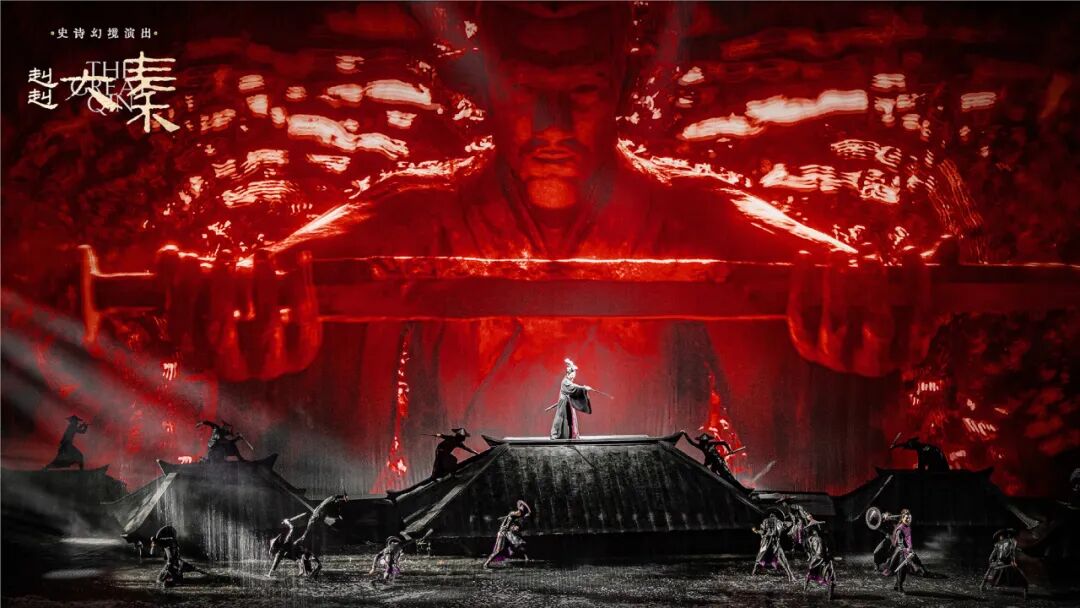
Visual Metaphors | 视觉隐喻: The show turns poetic lines into breathtaking images. The phrase "(The warm springs' water was smooth, and washed her creamy skin) becomes a sensual, beautiful dance of Yang Guifei bathing. The rebellion () is portrayed with terrifying red lights and thunderous war drums, making the abstract poem viscerally real.
I think the directors really understood that modern audiences, especially international ones and children, might find a traditional opera challenging. They chose universal languages—music, dance, and visual spectacle—to translate Bai Juyi's complex poem. This is not a history lesson; it's an emotional journey. It makes a 1,200-year-old story feel immediate and heartbreaking for a 7-year-old child and their parents alike.
Part 3: The Bridge Between Page and Stage: A Family's Guide
To get the most out of the experience, I connected the dots between the poem we read and the show we saw.
What You Read in the Poem | What You See on Stage | The "Aha!" Moment for Kids |
" | Dancers moving gracefully in the actual Huaqing pools, with water and steam rising around them. | "Wow, she really bathed right there! The poem is real!" |
" | A dramatic, heartbreaking scene where Yang Guifei is forced to take her own life, often symbolized by a long, white silk scarf. | The abstract concept of "death in the poem" becomes a powerful, emotional moment of loss and consequence. |
" | The emperor, alone and old, wanders through a dreamscape, searching for her phantom, which always eludes him. | A visual representation of regret and longing. It shows that some mistakes can haunt you forever. |
💡 Final Reflection |
For our daughter, the journey from page to stage made history tangible. The poem gave her thewords, and the spectacle gave her the feelings. She didn't just learn about the Tang Dynasty; she felt its splendor and its sorrow.
This is the ultimate value of combining art forms: it creates a bridge of understanding that can span centuries, connecting a modern child's heart with the timeless emotions of the past.
We left Huaqing Palace not just with photos, but with a shared memory of beauty and a profound family conversation about love, power, and the weight of our choices.After returning to the hotel, we once again revisited "If History Were a g Group of Cats: The Prosperous Tang Dynasty," haha. This was one of our daughter's favorite books, and it sparked her love for history. From there, she read "Records of the Grand Historian," "Treasure Hunt," listened to world history... and became an insatiable reader of Chinese literature.